 MP International Inspection Chemical Industry And Trading Company Limited When You Need To Be Sure
Önerilen Haberler
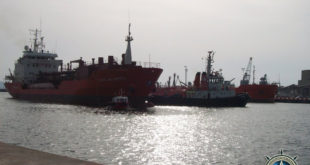


Demirleme, tüm denizcilik görevleri arasında en yaygın olanıdır, ancak demirleme operasyonları standart olmaktan uzaktır. Hem yeni hem de mevcut tonaj ve ekipmanı içeren güvenli demirlemeyi sağlamak için standartlar şu anda yükseltiliyor ve geleneksel anlayış yeniden değerlendiriliyor.
Güncellenmiş demirleme standartları ve uygulamalarına duyulan ihtiyaç, denizcilik endüstrisindeki önemli değişikliklerden kaynaklanmaktadır. Demirleme denklemine eklenen değişkenler arasında daha büyük gemiler, yeni malzemeler ve yeni mekanik sistemler yer alıyor.
Demirleme güvenliği tepkisini sağlayan sayılar
Avrupa Liman Ustaları Komitesinden alınan istatistikler, kişisel yaralanma vakalarının yüzde 95’inin halat ve tellerden kaynaklandığını ve bu yaralanmaların yüzde 60’ının bağlama operasyonları sırasında meydana geldiğini gösteriyor. 2010 ve 2014 yılları arasında Avustralya Deniz Güvenliği Otoritesine 220’den fazla demirleme ile ilgili olay bildirildi ve bunların yüzde 22’si yaralanmayla sonuçlandı.
Bu sayıları azaltmak amacıyla, merkezi bağlama kuralları ve yönetmelikleri değiştirilmekte ve güncellenmektedir. SOLAS kural II-1 / 3-8’de yapılan değişiklikler ve tüm gemiler için güvenli demirlemeye yönelik yeni yönergeler 2019’da onaylandı. Değiştirilen gereksinimler ve yeni yönergelerin 1 Ocak 2024’te yürürlüğe girmesi bekleniyor.
Bu tarihe kadar, tüm yeni gemilerin uygun ve kullanımı güvenli bağlama düzenlemeleri tasarımları için revize edilmiş yönetmeliklere uyması gerekecektir. Mevcut tüm gemiler, demirleme ekipmanı ve hatları için hizmet içi muayene ve bakım rejimlerine yönelik yeni düzenlemelere uymalı ve uygun dokümantasyonu sağlamalıdır.
Tankerler için Bağlama Sistemi Yönetim Planı
Demirleme Ekipmanı Yönergelerinin (MEG4) 2018’de yayınlanan dördüncü baskısı, tankerler için Demirleme Sistemi Yönetim Planını (MSMP) tanıttı. Demirleme ekipmanının tasarımı ve doğrulanmasına yönelik sistematik bir yaklaşım ve bağlama hatlarının yönetimine yönelik bütünsel bir uygulama ile birlikte insan merkezli tasarım ilkeleri vurgulanmaktadır. Gemi Tasarımı Minimum Kırılma Yükünü (MBL) içeren MSMP, revize edilen Gemi Muayene Anketinde (VIQ7) Gemi Muayene Raporu (SIRE) inceleme rejimine benimsenmiştir.
DNV GL’nin yardım masaları, geçtiğimiz iki yıl boyunca her hafta demirlemeyle ilgili üç ila dört yeni talep aldığını bildirdi. Tanker segmentinde, SIRE VIQ7’nin Eylül 2018’de yürürlüğe girmesinden bu yana, inceleme inceleme sorularının yüzde yedisi demirlemeyle ilgiliydi.
Artan yükleme sayısı, güvenli bağlama süreçleri gerektirir
COVID-19 salgını, daha önce yaşanmayan operasyonlarda filoya kısıtlamalar getirdi. Limanlar belirli gemilere girişi reddediyor, seyahat kısıtlamaları uygulanıyor, gemiler hizmet dışı bırakıldı ve mürettebat işten çıkarıldı. Bu operasyonel zorluklar, bazı gemi sahiplerini ve operatörleri gemileri yerleştirmeye zorlamaktadır. Güvenli ve sağlam bir döşeme bağlama, genellikle mal sahibinin bir yere yatırma kararını destekleyebilir, yerel makamların en büyük endişelerini ortadan kaldırabilir ve hatta sigorta için risk primini azaltabilir ve böylece maliyet tasarrufu sağlayabilir.
Yeni bağlama teknolojileri yeni yönergeler gerektirir
Verimlilik ve performansta umut vaat eden ilerlemeler, yeni demirleme teknolojileri de mevcut çözümlerden daha güvenli veya daha emniyetli olmalıdır. Örneğin, modern bağlama halatları daha güçlü, daha hafif ve daha esnektir, ancak yeni malzemeler geri tepme zorlukları ortaya çıkarmaktadır. Yiyang, “Snapback kritik, çünkü meydana geldiğinde insan yaşamı ve güvenliği risk altında,” diyor. Büyük gaz taşıyıcılarını içeren snapback olaylarının kapsamlı bir şekilde incelendiğini ve endüstrinin nedenler ve önleme konusunda daha kapsamlı bir bakış açısı edinmesine yol açtığını belirtti. “İlk defa, güvenlik sorunlarını çözmek için tüm ilgili faktörleri birlikte inceliyoruz.”
Büyük gaz taşıyıcılarını içeren geri tepme olaylarına yanıt olarak, endüstri olay nedenleri ve önleme konusunda daha kapsamlı bir bakış açısı benimsemiştir.
Fiziksel durumu iletmek için sensörlerle donatılmış yeni nesil “akıllı halatlar” da ortaya çıkıyor. Yiyang, “Akıllı bir halat hala bakım ve inceleme gerektiren bir halattır” diyor. “Gömülü sensörler, işlemleri izlemek ve operatörlere kullanabilecekleri ek veriler sağlamak için dijital araçları kullanmanın bir yolu. Ancak sınırlarınızı bilseniz bile, yine de bunları nasıl yöneteceğinizi bilmeniz gerekir. ” Test ve denemelerden elde edilen bilgilere dayanarak, bunun yüksek teknoloji halatların bakımı ve yönetimi için yeni rejimler gerektireceğini söylüyor.
Ekipmanla sınırlı olmayan dijital teknoloji, bağlama uygulamalarını da etkiliyor. Birçok gemi operasyonunda olduğu gibi, demirleme ile ilgili veriler mevcuttur, ancak sistematik olarak toplanmamaktadır. Yiyang, “Artık veri toplamak ve analiz etmek için Veracity gibi platformlara sahibiz” diyor. “Ayrıca hangi hassas olmayan veri operatörlerinin paylaşmak istediğini bilmemiz ve bunu paydaşlar ve sektör için karşılıklı olarak faydalı olacak bir şekilde kullanmamız gerekiyor.”